
Sustainability's Featured Student-Athlete: Shona McCulloch
January 22, 2020 | Cross Country, Sustainability
Q&A with UW Student-Athlete, Shona McCulloch
Question: So what does being sustainable mean to you, personally? Why is it important to you?
Shona: To me, that means living as ethically and as conscious as possible; trying to minimize the impact that we leave on the planet. Just paying attention to the little things that we do everyday, like how you can minimize use of plastic, keeping things clean, and living in a mindful way for the environment and the earth.
Q: What inspired you to become an advocate for sustainability? Is there something that you can call back to?
S: I think it's kind of a lifestyle thing for me. It kind of just plays into the kind of person that I want to be, and I just want to live that way the best that I can, every single day. So I think that goes back to growing up. My mom did a lot of community cleanups and we've always been a big outdoor family. We've just always appreciated going to these amazing beautiful parks and just being in nature. I really want to be able to keep that for the generations to come. So just thinking about how I can live a better way and to maintain.
Q: So what steps have you been taking in your own life recently to be more sustainable, and how do those impact you on a daily basis?
S: The little things that I try to pay attention to are like the way I grocery shop. I prefer to shop in the bulk food sections and bring my own bags, so I don't have to use the single-use bags. That's a big one. From my major, I've learned a lot about nutrition and a lot about the food system in general. So that's helped really inform my choices about what food I buy and how to minimize my waste from it. Just trying to recycle as much as possible, know what goes in recycling, what goes in garbage. Try to get a compost going. Just keep things organized and clean. Bring my own Tupperware and just try to minimize all the waste that I produce.
Q: What made you decide to become a part of the new student athlete sustainability group, (Student Athletes With Sustainability, or SAWS), and what kind of initiatives or projects would you like to see the group take on this year or in the future?
S: Yeah, I'm really excited about this group. I think that it's a really exciting thing to be a part of because, as athletes, I think that we have a certain platform to put our message or our voice out there because we're already a part of a group or a squad. So it's exciting to be able to use our group to spread change across campus. In terms of projects that we're looking forward to doing this year, I think that there are a lot of collaborations and ideas that we need to make, but one of the things that I was thinking about doing was possibly reaching out to the UW Farm and reconnecting. What I know a lot about is the food system and I think an important thing, especially to the environment, is reconnecting people with where food comes from, because so often you just go to a grocery store and it's just there for you in a bag, but people don't know how it's grown or what goes into it. So that's a big one. I think in terms of UW Athletics, maybe we could promote things like bringing in your own Tupperware, and teaching people how to prepare their own lunches or to minimize their waste. I went to Kenya this summer and I met a guy who runs this charity called "Shoe4Africa". A big goal of mine is to reach out to him and get a collaboration between our university and their charity and maybe, far in the future, get some students to go over there and be a part of his organization. They take old running shoes, and we have a bunch from our running team, so I think just getting some cross-connection there would be a good opportunity.
Q: Coming from Ontario, Canada, how much of a difference have you noticed between here and back home with regards to how sustainability is generally viewed, discussed, or practiced?
S: Yeah, I think there's actually a lot of overlap for me between Seattle and Ontario. There's a good composting system here, good recycling and trash awareness. It's kind of similar to back home as well; we have good compost, good environmental practices. I'd say on the west coast, it's definitely a big topic. It's a little bigger out here, I gotta say, but there's still a pretty good overlap there.
Q: Do you anticipate that sustainability will play a role in your future career? If so, how or in what way?
S: I definitely hope so. I think that climate change is coming, or it's already here. I think that it's going to play a role across the entire economy, from the way people do things, tradition, culture. I think it's going to, and has already started to, impact our world. So in terms of my career, I hope that I can use my future platform to speak up for organizations, or maybe become a part of some kind of entrepreneurship like selling sustainable cooking ware. You know, I still haven't given it a lot of thought yet; it still seems so far away to me. It's something I should start thinking about. I think the biggest thing would be the food system. That's what I'm learning about and I think would be a good avenue to pursue.
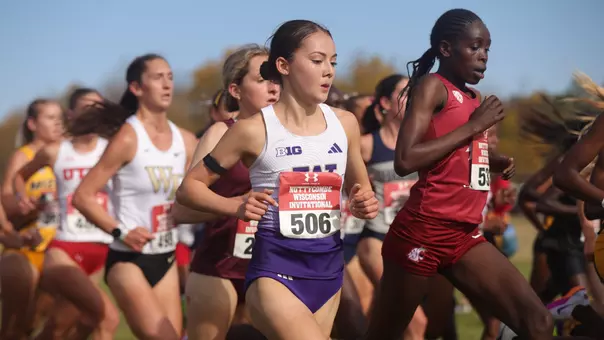
Q: As a cross-country runner, has your sport and generally being out in nature influenced your interest in sustainability?
S: Oh absolutely, one hundred percent. All the beautiful places that we get to run and just immerse ourselves in; being outside makes me and my teammates so happy. So yeah, definitely.
Q: What are you hoping the people who are reading this feature will take away from it?
S: I think that big changes are really hard to make in your lifestyle. For me, the best thing is to start somewhere and do little things. Eventually those little things become just a part of your routine and you can move on to bigger things. So I just hope that they can start to take a look at the little things they do, make little changes, and then maybe it'll spread to their friends and spread it throughout their life.
Question: So what does being sustainable mean to you, personally? Why is it important to you?
Shona: To me, that means living as ethically and as conscious as possible; trying to minimize the impact that we leave on the planet. Just paying attention to the little things that we do everyday, like how you can minimize use of plastic, keeping things clean, and living in a mindful way for the environment and the earth.
Q: What inspired you to become an advocate for sustainability? Is there something that you can call back to?
S: I think it's kind of a lifestyle thing for me. It kind of just plays into the kind of person that I want to be, and I just want to live that way the best that I can, every single day. So I think that goes back to growing up. My mom did a lot of community cleanups and we've always been a big outdoor family. We've just always appreciated going to these amazing beautiful parks and just being in nature. I really want to be able to keep that for the generations to come. So just thinking about how I can live a better way and to maintain.
Q: So what steps have you been taking in your own life recently to be more sustainable, and how do those impact you on a daily basis?
S: The little things that I try to pay attention to are like the way I grocery shop. I prefer to shop in the bulk food sections and bring my own bags, so I don't have to use the single-use bags. That's a big one. From my major, I've learned a lot about nutrition and a lot about the food system in general. So that's helped really inform my choices about what food I buy and how to minimize my waste from it. Just trying to recycle as much as possible, know what goes in recycling, what goes in garbage. Try to get a compost going. Just keep things organized and clean. Bring my own Tupperware and just try to minimize all the waste that I produce.
Q: What made you decide to become a part of the new student athlete sustainability group, (Student Athletes With Sustainability, or SAWS), and what kind of initiatives or projects would you like to see the group take on this year or in the future?
S: Yeah, I'm really excited about this group. I think that it's a really exciting thing to be a part of because, as athletes, I think that we have a certain platform to put our message or our voice out there because we're already a part of a group or a squad. So it's exciting to be able to use our group to spread change across campus. In terms of projects that we're looking forward to doing this year, I think that there are a lot of collaborations and ideas that we need to make, but one of the things that I was thinking about doing was possibly reaching out to the UW Farm and reconnecting. What I know a lot about is the food system and I think an important thing, especially to the environment, is reconnecting people with where food comes from, because so often you just go to a grocery store and it's just there for you in a bag, but people don't know how it's grown or what goes into it. So that's a big one. I think in terms of UW Athletics, maybe we could promote things like bringing in your own Tupperware, and teaching people how to prepare their own lunches or to minimize their waste. I went to Kenya this summer and I met a guy who runs this charity called "Shoe4Africa". A big goal of mine is to reach out to him and get a collaboration between our university and their charity and maybe, far in the future, get some students to go over there and be a part of his organization. They take old running shoes, and we have a bunch from our running team, so I think just getting some cross-connection there would be a good opportunity.
Q: Coming from Ontario, Canada, how much of a difference have you noticed between here and back home with regards to how sustainability is generally viewed, discussed, or practiced?
S: Yeah, I think there's actually a lot of overlap for me between Seattle and Ontario. There's a good composting system here, good recycling and trash awareness. It's kind of similar to back home as well; we have good compost, good environmental practices. I'd say on the west coast, it's definitely a big topic. It's a little bigger out here, I gotta say, but there's still a pretty good overlap there.
Q: Do you anticipate that sustainability will play a role in your future career? If so, how or in what way?
S: I definitely hope so. I think that climate change is coming, or it's already here. I think that it's going to play a role across the entire economy, from the way people do things, tradition, culture. I think it's going to, and has already started to, impact our world. So in terms of my career, I hope that I can use my future platform to speak up for organizations, or maybe become a part of some kind of entrepreneurship like selling sustainable cooking ware. You know, I still haven't given it a lot of thought yet; it still seems so far away to me. It's something I should start thinking about. I think the biggest thing would be the food system. That's what I'm learning about and I think would be a good avenue to pursue.
Q: As a cross-country runner, has your sport and generally being out in nature influenced your interest in sustainability?
S: Oh absolutely, one hundred percent. All the beautiful places that we get to run and just immerse ourselves in; being outside makes me and my teammates so happy. So yeah, definitely.
Q: What are you hoping the people who are reading this feature will take away from it?
S: I think that big changes are really hard to make in your lifestyle. For me, the best thing is to start somewhere and do little things. Eventually those little things become just a part of your routine and you can move on to bigger things. So I just hope that they can start to take a look at the little things they do, make little changes, and then maybe it'll spread to their friends and spread it throughout their life.


Players Mentioned

/ Cross Country
Tuesday, August 11
Wednesday, July 08
Wednesday, July 08
Friday, June 12